Robotic Knee Replacement Surgery: Procedure, Benefits, Risks, and Recovery
Published: 25 May 2026
For millions of people, simple things like climbing stairs or standing in line have become painful battles with their own knees.
Rising cases of osteoarthritis, rheumatoid arthritis, obesity, and age-related joint damage are driving more patients toward robotic knee replacement surgery. Traditional knee replacement has helped many, but it still comes with challenges: manual implant positioning, larger cuts, longer rehab, and small alignment errors that can affect joint balance for years.
That’s where robotic knee replacement and AI-assisted orthopedic surgery are changing the game. Using computer-guided planning, 3D imaging, and precision instruments, surgeons can now achieve more accurate implant alignment while protecting surrounding tissue, leading to better mobility, stability, and faster recovery.
In this article, you’ll learn everything about robotic knee replacement, from knee anatomy and causes of joint damage to robotic vs. traditional surgery, the recovery process, benefits, risks, and what to consider before choosing this procedure.
Understanding Knee Anatomy and Joint Damage
Every step you take puts your knee to work, and over time, that constant pressure takes a toll.
The knee is one of the largest and most important joints in the body, supporting your weight and enabling movement through the coordination of bones, cartilage, ligaments, muscles, and connective tissue. Together, these structures provide flexibility, stability, and shock absorption with every step.
- Joint degeneration usually builds up gradually, driven by aging, arthritis, injury, or long-term stress
- As cartilage wears down, bones start rubbing against each other, leading to inflammation, pain, and stiffness
- In severe cases, this damage can seriously limit mobility and quality of life
Understanding knee anatomy matters because it’s the foundation for everything that comes next. Modern robotic knee replacement surgery focuses on restoring proper joint alignment, movement, and balance through precise, personalized surgical planning, something that starts with knowing exactly how the knee is built.
Bones and Structures of the Knee Joint
The knee joint is mainly formed by three major bones:
- Femur
- tibia
- patella
Femur:
The femur, also known as the thigh bone, is the upper part of the knee joint. It connects with the tibia to support body movement and weight-bearing functions.
Tibia:
The tibia, commonly called the shin bone, forms the lower portion of the knee joint. It plays a major role in stability and movement during standing and walking.
Patella:
The patella, or kneecap, is located at the front of the knee. It protects the joint and supports smooth movement of the surrounding muscles and tendons.
Cartilage is another important structure inside the knee joint. It acts as a smooth protective layer between bones, reducing friction and absorbing pressure during movement. When cartilage becomes damaged or worn down, joint pain and stiffness often develop.
Ligaments help stabilize the knee by connecting bones and controlling movement. These tissues support balance and prevent excessive joint movement during physical activity.
Common Causes of Knee Joint Damage
Several medical conditions and injuries can lead to knee joint degeneration and long-term mobility problems.
- Osteoarthritis is one of the most common causes of knee damage, especially among older adults. This condition gradually wears down joint cartilage, leading to pain, stiffness, and reduced flexibility.
- Rheumatoid arthritis is an autoimmune disease that causes inflammation inside the joints. Over time, chronic inflammation can damage cartilage and surrounding tissues within the knee.
- Sports injuries are another major cause of knee problems. Ligament tears, cartilage injuries, fractures, and repeated physical stress can affect joint stability and movement.
- Age-related wear and tear also contribute significantly to knee degeneration. As people grow older, joint tissues naturally lose strength and flexibility, increasing the risk of chronic knee pain and mobility limitations.
Obesity, poor posture, repetitive strain, and previous knee surgeries may further increase pressure on the joint and accelerate damage over time.
Symptoms of Severe Knee Damage
Severe knee joint damage can affect both physical movement and overall daily life. Symptoms often develop gradually and become worse as joint degeneration progresses.
- Chronic knee pain is one of the most common signs of advanced joint damage. Patients may experience discomfort during walking, standing, or even while resting.
- Swelling and stiffness can make it difficult to bend or fully extend the knee joint. Inflammation inside the joint may also create a feeling of tightness or pressure around the knee.
- Many patients experience difficulty walking or climbing stairs due to reduced joint stability and pain during movement. In severe cases, knee weakness may affect balance and increase the risk of falls.
- Reduced joint mobility is another important symptom of advanced knee degeneration. Patients may notice limited movement range and difficulty performing routine activities such as sitting, standing, or exercising comfortably.
When these symptoms begin affecting daily activities and conservative treatments no longer provide relief, doctors may recommend knee replacement surgery as a long-term treatment option.
What Is Robotic Knee Replacement Surgery?
Every knee is shaped a little differently, and that’s exactly the problem robotic surgery was built to solve.
Robotic knee replacement surgery uses robotic technology, computer-guided planning, and real-time imaging to help surgeons improve implant positioning, joint alignment, and precision while protecting surrounding tissue. Unlike traditional surgery, it builds a personalized surgical plan based on each patient’s unique knee anatomy before the operation even begins. The surgeon stays fully in control throughout, while the robotic system provides guidance and precision support at every step, better alignment often means better stability and recovery down the road.
How Robotic Knee Replacement Surgery Works
It all starts before the surgeon ever picks up an instrument.
- CT scans or X-rays create a detailed 3D model of the patient’s knee joint
- The robotic system analyzes damaged bone and plans ideal implant positioning in advance
- During surgery, real-time guidance helps the surgeon prepare bone and place the implant with greater accuracy
Role of Robotic Surgery Arms and Imaging Systems
Robotic surgery arms are the hands-on precision behind the procedure, assisting with bone preparation, implant positioning, and joint resurfacing. Paired with real-time imaging, surgeons get a detailed, moving view of the knee throughout the operation, so alignment and implant placement stay accurate from start to finish. Computer-guided navigation adds another layer of protection, reducing the alignment errors that can affect long-term joint performance.
Importance of Precision in Orthopedic Surgery
In knee replacement, even a tiny alignment difference can change how a joint feels for years to come.
- Accurate implant positioning is essential for proper knee function after surgery
- Robotic-assisted surgery allows more controlled, personalized adjustments during the procedure
- Better precision can mean less tissue damage and a smoother recovery
This is exactly why precision-focused surgical planning has become central to modern orthopedic care.
Types of Knee Replacement Surgery
Different types of knee replacement procedures are used depending on the severity of joint damage, the condition of surrounding tissues, and the patient’s overall knee function. Orthopedic surgeons recommend specific procedures based on how much of the knee joint has been affected by arthritis or degeneration.
Total Knee Replacement Surgery
Total knee replacement surgery involves replacing the entire damaged knee joint with artificial implants. During this procedure, surgeons remove worn-out cartilage and damaged bone surfaces from both sides of the joint.
Artificial components are then placed to restore smooth movement and improve joint stability. Total knee replacement is commonly recommended for patients with severe arthritis, chronic pain, and advanced joint degeneration affecting multiple parts of the knee.
Advanced joint resurfacing techniques are used to improve movement function and reduce pain after surgery.
Partial Knee Replacement Surgery
Partial knee replacement surgery is performed when damage affects only one section of the knee joint. Instead of replacing the entire knee, surgeons remove only the damaged portion while preserving healthy bone, cartilage, and ligaments.
This approach helps maintain more natural joint movement and may result in a faster recovery for selected patients. Partial joint replacement techniques are usually recommended when arthritis is limited to a specific area of the knee.
Robotic Total Knee Replacement
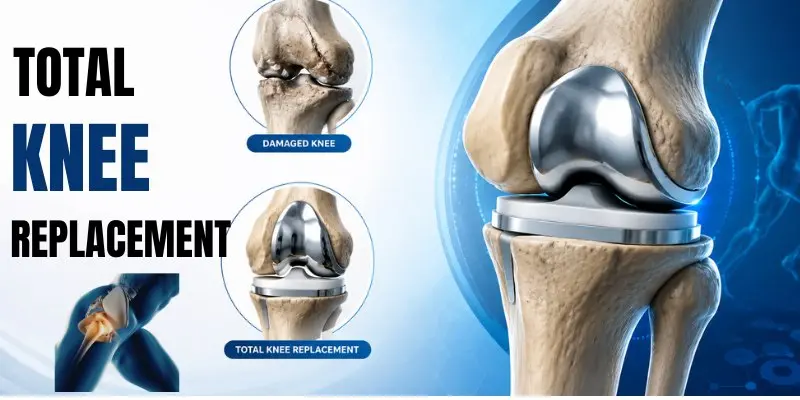
Robotic total knee replacement combines complete joint replacement with robotic-assisted surgical precision. These procedures use computer-guided planning and AI-assisted imaging systems to improve implant alignment and movement accuracy during surgery.
Precision robotic orthopedic systems help surgeons customize implant positioning according to the patient’s knee anatomy, which may improve long-term joint performance and mobility after surgery.
Robotic Partial Knee Replacement
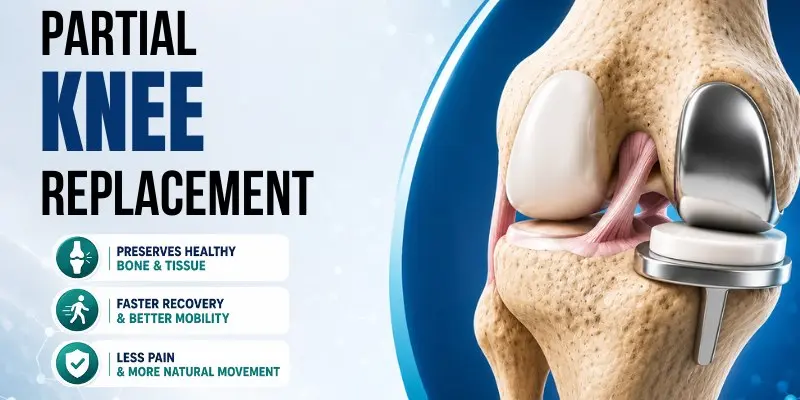
Robotic partial knee replacement uses minimally invasive robotic surgery techniques to treat localized joint damage more precisely. These procedures preserve healthy knee structures while replacing only the damaged section of the joint.
Computer-guided joint replacement technologies help improve surgical planning, bone preparation, and implant placement during the operation. This approach may support faster rehabilitation and improved movement recovery in suitable patients.
Robotic Knee Replacement vs Traditional Knee Replacement

| Factor | Robotic Knee Replacement | Traditional Knee Replacement |
| Precision | AI-guided surgical accuracy | Manual alignment techniques |
| Imaging | Advanced 3D surgical imaging | Standard imaging support |
| Incisions | Smaller surgical cuts | Larger openings |
| Implant Placement | More accurate positioning | Surgeon-dependent placement |
| Recovery Time | Faster rehabilitation | Longer healing period |
| Surgical Planning | Computer-assisted planning | Manual planning |
| Blood Loss | Lower during surgery | Higher possibility |
| Joint Alignment | Better movement balance | Less customized alignment |
Advantages of Robotic Knee Replacement Over Traditional Surgery
Robotic knee replacement surgery offers several advantages compared to conventional joint replacement procedures:
- One of the biggest benefits is improved surgical accuracy during implant positioning and joint alignment.
- Computer-guided planning and robotic assistance help surgeons make highly controlled adjustments based on the patient’s knee structure.
- Advanced imaging systems also provide better visualization during surgery, allowing more personalized treatment planning.
- Smaller surgical cuts used in minimally invasive robotic procedures may help reduce tissue damage, blood loss, and post-operative discomfort.
- Many patients undergoing robotic orthopedic surgery experience faster rehabilitation and improved mobility after the procedure.
- Better joint balance and implant positioning may also support long-term knee function and overall patient satisfaction.
Limitations of Traditional Knee Replacement Procedures
Traditional knee replacement surgery has successfully treated knee arthritis for many years, but it still depends heavily on manual surgical techniques and surgeon experience during implant alignment.
Standard procedures may involve larger incisions and less customized joint positioning compared to robotic-assisted surgery.
Since traditional surgery relies mainly on manual measurements and conventional imaging support, alignment variations can sometimes affect movement balance and implant performance over time.
Recovery after traditional joint replacement may also take longer for some patients due to increased tissue disruption and post-surgical discomfort during rehabilitation.
Why Precision Matters in Joint Replacement Surgery
Precision is one of the most important factors in successful knee replacement surgery because the knee joint must maintain proper alignment, stability, and smooth movement after the procedure.
Even small differences in implant positioning may affect walking comfort, joint flexibility, and long-term implant durability. Accurate surgical planning helps distribute body weight evenly across the joint and supports natural knee movement after recovery.
Robotic-assisted orthopedic surgery improves precision by combining imaging analysis, computer-guided mapping, and controlled surgical movement during the operation. This level of accuracy may help reduce complications and improve long-term outcomes for patients undergoing robotic knee replacement surgery.
Indications for Robotic Knee Replacement Surgery
Not every knee problem needs surgery, but when pain starts controlling daily life, it may be time to consider it.
Doctors typically recommend robotic knee replacement surgery when non-surgical treatments no longer provide relief. The most common signs include:
- Severe knee arthritis with progressive cartilage damage that pain medication or physical therapy can no longer manage
- Chronic joint pain and swelling that limit walking, standing, climbing stairs, or exercise
- Joint deformity, instability, or advanced mobility limitations affecting daily function
- No improvement from conservative treatments like injections, medications, or lifestyle changes
When these symptoms persist, robotic orthopedic surgery becomes a long-term option for restoring movement and relieving pain.
Preparation Before Robotic Knee Replacement Surgery
Proper preparation before robotic knee replacement surgery is important for improving surgical safety, treatment accuracy, and post-operative recovery. Orthopedic surgeons perform detailed evaluations and imaging analysis before the procedure to create a personalized surgical plan for each patient.
Medical Evaluation and Imaging Tests
Before surgery, patients undergo several medical examinations and imaging tests to evaluate the condition of the knee joint and surrounding structures.
- X-rays are commonly used to examine joint damage, bone alignment, and cartilage loss inside the knee.
- MRI scans may provide more detailed information about soft tissues, ligaments, and cartilage condition when necessary.
- CT scans are often used in robotic knee replacement surgery because they help create detailed 3D models of the patient’s knee anatomy.
These imaging systems support more accurate surgical mapping and implant positioning during robotic orthopedic procedures.
Preoperative Planning and Surgical Mapping
One of the most important advantages of robotic knee replacement surgery is advanced preoperative planning.
- AI-assisted imaging analysis allows surgeons to study joint alignment, bone structure, and movement patterns before the operation begins.
- Computer-guided surgical mapping helps create a personalized treatment strategy based on the patient’s anatomy.
This process improves implant positioning accuracy and supports better joint balance after surgery.
Preoperative planning also allows surgeons to make precise adjustments during the procedure while reducing unnecessary bone removal and tissue damage.
Patient Preparation Before Surgery
Patients are usually advised to follow several preparation guidelines before robotic knee replacement surgery.
- Doctors may recommend medication adjustments, especially for blood-thinning medicines or certain chronic health conditions.
- Patients may also undergo physical preparation programs to improve strength and mobility before surgery.
- Lifestyle recommendations such as maintaining a healthy weight, stopping smoking, improving nutrition, and preparing the home for recovery can help support better healing after the operation.
Proper patient preparation plays an important role in reducing complications and improving post-surgical rehabilitation outcomes.
Step-by-Step Robotic Knee Replacement Procedure
Robotic knee replacement surgery follows a carefully planned orthopedic process designed to improve surgical precision, implant positioning, and long-term joint function. Modern robotic surgery systems combine advanced imaging technologies, computer-guided planning, and precision surgical tools to support accurate joint replacement procedures.
Anesthesia and Surgical Preparation
The procedure usually begins with anesthesia to ensure patient comfort during surgery. Depending on the patient’s medical condition and surgical requirements, doctors may use general anesthesia or spinal anesthesia.
Before the operation starts, the surgical team prepares the knee area using sterilization procedures and positioning techniques to ensure safe operating conditions. The surgeon also reviews the personalized surgical plan created through imaging analysis and robotic mapping systems.
AI-Assisted Surgical Planning and Navigation
One of the most advanced stages of robotic knee replacement surgery is AI-assisted planning and navigation. Before surgery, imaging technologies create a digital 3D model of the patient’s knee joint.
This computerized mapping helps surgeons study joint alignment, damaged bone surfaces, and implant positioning in detail. During the operation, the robotic system provides real-time guidance and movement tracking to support accurate surgical decisions.
Smart navigation systems allow the surgeon to make highly controlled adjustments while maintaining proper joint balance throughout the procedure.
Removal of Damaged Joint Surfaces
Once the surgical area is prepared, the surgeon removes damaged cartilage and worn-out bone surfaces from the knee joint. This step is important for creating a stable foundation for the artificial implant components.
Robotic-assisted instruments help improve cutting precision and support more controlled bone preparation during the procedure. The main purpose is to preserve healthy tissue while removing only the damaged portions of the joint.
Implant Placement and Joint Alignment
After bone preparation is completed, artificial implant components are positioned inside the knee joint. Proper implant placement is important for maintaining smooth movement, stability, and long-term knee function after surgery.
Robotic orthopedic systems help surgeons achieve more accurate alignment according to the patient’s anatomy and movement patterns. Better joint alignment may improve walking comfort and reduce stress on surrounding structures after recovery.
Robotic Precision and Real-Time Adjustments
During robotic knee replacement surgery, the system continuously provides real-time data and movement feedback. This allows surgeons to make small adjustments during the procedure to improve balance, flexibility, and implant positioning.
The robotic platform supports highly controlled surgical movements while helping reduce unnecessary tissue damage. Real-time precision monitoring is one of the major advantages of robotic-assisted orthopedic surgery compared to conventional manual procedures.
Closure and Post-Surgical Monitoring
After the implant components are secured and joint movement is tested, the surgeon closes the surgical incision using appropriate closure techniques.
Patients are then moved to a recovery area where healthcare professionals monitor blood pressure, circulation, pain levels, and overall condition after surgery. Early monitoring helps doctors identify any immediate complications and begin the rehabilitation process safely.
Postoperative Care and Recovery After Robotic Knee Replacement
Recovery after robotic knee replacement surgery is an important part of achieving successful long-term results. Proper rehabilitation, physical therapy, and lifestyle management help patients regain strength, mobility, and joint function after the procedure.
Immediate Recovery After Surgery
Most patients begin recovery management shortly after the procedure. Pain management programs are used to reduce discomfort and support early movement during the healing process.
Healthcare teams often encourage early walking support within the first day after surgery because controlled movement helps improve circulation and reduce recovery complications.
Assistive devices such as walkers or support frames may be used during the initial rehabilitation stage.
Physical Therapy and Rehabilitation
Physical therapy plays a major role in restoring movement and knee strength after robotic joint replacement surgery. Rehabilitation programs usually include mobility exercises, flexibility training, and controlled strengthening activities.
Therapists guide patients through exercises designed to improve joint movement, walking balance, and muscle recovery around the knee. Regular rehabilitation sessions help patients gradually return to daily activities and improve overall mobility after surgery.
Recovery Timeline and Healing Process
Recovery timelines vary depending on age, overall health, physical condition, and the type of knee replacement procedure performed.
During the first few weeks after surgery, most patients focus on pain control, walking support, and movement improvement. Swelling and stiffness may gradually decrease as rehabilitation progresses.
Long-term recovery continues over several months as joint flexibility, muscle strength, and balance improve. Many patients experience better mobility and reduced pain after completing rehabilitation and following medical recovery guidelines consistently.
Tips for Faster Recovery After Knee Replacement
Following proper recovery practices can help improve healing and rehabilitation outcomes after robotic knee replacement surgery.
- Regular exercise and physiotherapy are important for maintaining flexibility and rebuilding muscle strength around the knee joint.
- Patients are usually advised to follow rehabilitation programs consistently and avoid excessive strain during early recovery stages.
- Healthy weight management also helps reduce pressure on the artificial joint and supports long-term implant performance.
- Maintaining balanced nutrition, staying physically active, and following medical recommendations may improve overall recovery progress after surgery.
Lifestyle improvements such as quitting smoking, improving sleep quality, and maintaining regular follow-up visits with orthopedic specialists can further support long-term knee health and mobility.
Benefits of Robotic Knee Replacement Surgery
Robotic knee replacement surgery offers several important advantages in modern orthopedic healthcare.
Improved Surgical Precision and Accuracy
One of the biggest advantages of robotic-assisted orthopedic surgery is improved surgical precision. Computer-guided systems help surgeons perform highly controlled bone preparation and implant placement according to the patient’s anatomy.
Better accuracy during surgery may improve joint stability and reduce alignment-related complications after the procedure.
Better Implant Alignment and Joint Balance
Proper implant positioning is important for smooth movement and long-term knee performance. Robotic surgery systems help improve alignment by providing detailed imaging analysis and real-time surgical guidance during the operation.
Improved joint balance may support more natural movement and reduce uneven pressure on the artificial implant after recovery.
Smaller Incisions and Reduced Tissue Damage
Minimally invasive robotic surgery often uses smaller surgical cuts compared to some traditional procedures. Smaller incisions may reduce tissue disruption, swelling, and post-operative discomfort during recovery.
Reduced tissue damage can also help support faster healing after surgery.
Lower Blood Loss and Reduced Pain
Precision surgical movement and controlled bone preparation may help reduce blood loss during robotic knee replacement procedures.
Many patients also experience less post-surgical pain because minimally invasive techniques reduce unnecessary damage to surrounding muscles and soft tissues.
Faster Recovery and Rehabilitation
Patients undergoing robotic knee replacement surgery often begin rehabilitation earlier after the procedure. Improved surgical precision and reduced tissue trauma may support quicker mobility recovery and shorter hospital stays.
Early rehabilitation also helps patients regain independence and return to normal activities more efficiently.
Improved Long-Term Knee Function and Mobility
Accurate implant alignment and personalized surgical planning may improve long-term knee movement and joint performance after recovery.
Many patients experience better walking comfort, improved flexibility, and reduced chronic pain following successful robotic knee replacement surgery and rehabilitation.
Risks and Limitations of Robotic Knee Replacement Surgery
Although robotic knee replacement surgery offers many advantages, it also has certain risks and limitations that patients should understand before undergoing the procedure. Like all major orthopedic surgeries, robotic-assisted joint replacement still requires careful planning, surgical expertise, and proper post-operative care.
Infection and Blood Clot Risks
Infection is one of the possible complications after knee replacement surgery. Although hospitals follow strict sterilization and safety protocols, infections may still occur around the surgical site or implant area in rare cases.
Blood clots can also develop after surgery, especially when mobility is limited during the early recovery phase. Doctors often recommend early movement, physical therapy, and blood-thinning medications to reduce this risk.
Implant Loosening or Joint Stiffness
Over time, knee replacement implants may become loose because of wear, pressure, or long-term joint stress. Some patients may also experience joint stiffness during recovery if rehabilitation exercises are not followed consistently.
Proper physical therapy and regular follow-up care are important for maintaining joint flexibility and improving long-term implant performance after surgery.
Nerve, Tissue, or Bone Injury Risks
Although robotic surgery systems improve precision during orthopedic procedures, there is still a small risk of injury to surrounding nerves, soft tissues, or bones during surgery.
In rare situations, patients may experience numbness, discomfort, or movement limitations depending on the complexity of the procedure and the condition of the knee joint before surgery.
High Robotic Surgery Cost and Limited Accessibility
One of the biggest limitations of robotic knee replacement surgery is cost. Advanced robotic systems, imaging technologies, and specialized surgical equipment increase the overall expense of the procedure.
In many regions, access to robotic orthopedic surgery may still be limited because not all hospitals have advanced robotic healthcare systems or trained specialists available.
Technical Challenges and Surgeon Training Requirements
Robotic-assisted orthopedic surgery requires specialized training and experience. Surgeons must understand robotic navigation systems, imaging analysis, and computer-guided surgical planning before performing these procedures safely.
Healthcare institutions also need trained operating room staff and technical support teams to manage robotic surgery systems effectively.
Possible Robotic System or Equipment Malfunctions
Like other advanced medical technologies, robotic surgery systems may occasionally experience technical issues or equipment-related problems. Although these situations are uncommon, surgeons must always be prepared to continue the procedure safely using conventional surgical techniques if necessary.
Regular maintenance, software monitoring, and proper system calibration help reduce the chances of technical complications during robotic orthopedic procedures.
Conclusion
Robotic knee replacement surgery is reshaping orthopedic care with better precision, accurate implant alignment, and faster recovery than traditional methods.
Advanced imaging and computer-guided planning make joint replacement more personalized, helping patients regain movement and reduce chronic pain.
If you’re considering this surgery, talk to an experienced orthopedic specialist and follow a proper rehabilitation plan, it makes all the difference for long-term knee health.
FAQs
1. What is robotic knee replacement surgery?
Robotic knee replacement surgery is an advanced orthopedic procedure that uses robotic technology, computer-guided planning, and real-time imaging to help surgeons improve precision and implant alignment during knee joint replacement.
2. Is robotic knee replacement better than traditional surgery?
- Offers improved precision and more accurate implant positioning
- Involves smaller incisions and often faster rehabilitation
- Outcomes still depend on the patient’s condition, surgeon experience, and recovery care
3. How long does robotic knee replacement recovery take?
Most patients start walking with assistance shortly after surgery, but full recovery can take several months depending on age, health, and rehabilitation progress. Physical therapy plays a key role in long-term results.
4. What are the risks of robotic knee replacement surgery?
Possible risks include infection, blood clots, implant loosening, joint stiffness, nerve injury, and technical complications with the robotic system. Following medical advice and completing rehabilitation can help reduce many of these risks.
5. Who is a suitable candidate for robotic knee replacement?
- Severe osteoarthritis or chronic knee pain
- Persistent joint stiffness and reduced mobility
- No improvement from non-surgical treatments
An orthopedic specialist evaluates each patient individually before recommending the procedure.






- Be Respectful
- Stay Relevant
- Stay Positive
- True Feedback
- Encourage Discussion
- Avoid Spamming
- No Fake News
- Don't Copy-Paste
- No Personal Attacks
- Be Respectful
- Stay Relevant
- Stay Positive
- True Feedback
- Encourage Discussion
- Avoid Spamming
- No Fake News
- Don't Copy-Paste
- No Personal Attacks
