PCOS Symptoms, Causes, Treatment, Weight Loss, and AI Detection
Published: 30 May 2026
Polycystic Ovary Syndrome (PCOS) has become one of the most common hormonal disorders affecting women of reproductive age. According to healthcare studies, millions of women worldwide experience symptoms related to PCOS, yet many remain undiagnosed for years because the condition can develop gradually and present differently from one person to another. As awareness of women’s health continues to grow, PCOS is receiving increased attention due to its impact on physical health, fertility, and overall quality of life.
PCOS patients suffer with hormonal imbalance, irregular menstrual cycles, unexplained weight gain, fertility difficulties, and metabolic changes. Many women also struggle with concerns such as PCOS belly, insulin resistance, hair loss, acne, and excessive facial hair growth. These symptoms can affect not only physical health but also emotional health and self-confidence.Early diagnosis and management is very important.
One of the biggest challenges in PCOS care is identifying the condition at an early stage. Symptoms may resemble those of other hormonal disorders, and diagnosis often requires a combination of medical history, laboratory testing, and ultrasound evaluation. Late diagnosis can increase the risk of long-term complications, including type 2 diabetes, cardiovascular problems, and reproductive health issues.
Managing PCOS involves much more than treating individual symptoms. A combination of healthy lifestyle habits, proper nutrition, regular physical activity, medical treatment, and ongoing monitoring plays a key role in controlling the condition. For many women, weight management and improved insulin sensitivity can reduce symptoms and support better hormonal balance.
Advancements in healthcare technology are also creating new opportunities for earlier and more accurate diagnosis.
Artificial intelligence is increasingly being explored in women’s healthcare to assist with ultrasound analysis, health data interpretation, and risk assessment. These emerging technologies may help healthcare professionals identify patterns associated with PCOS more efficiently and support personalized treatment planning in the future.
In this article, we will explore the most common PCOS symptoms, underlying causes, diagnostic methods, treatment options, diet and exercise strategies, fertility considerations, and the growing role of AI in PCOS detection and smart women’s healthcare systems.
What Is PCOS?
Polycystic Ovary Syndrome (PCOS) is a complex hormonal and metabolic condition that affects the female’s ovary function.
It is one of the most common endocrine disorders among women of reproductive age and can influence menstrual health, fertility, body weight, skin health, and overall metabolism. Although the condition is widely recognized, its symptoms and severity can vary significantly from person to person.
PCOS develops when the normal balance of reproductive hormones is disturbed. This hormonal imbalance can interfere with ovulation, affect menstrual cycles, and trigger various physical and metabolic changes throughout the body. Some women experience only mild symptoms, while others may face challenges related to fertility, insulin resistance, and long-term health risks.
In the normal hormonal cycle ovulation occurs regularly each month, PCOS often disrupts this process. As a result, eggs may not mature or release properly from the ovaries, leading to irregular periods and reproductive health concerns. This condition can affect multiple body systems, early diagnosis and long-term management are essential for reducing complications and improving overall health.
PCOS Full Form and Medical Meaning
PCOS stands for Polycystic Ovary Syndrome. In medical terms, it refers to a condition characterized by hormonal irregularities, disrupted ovulation, and changes in ovarian function. Despite the name, not every woman with PCOS develops ovarian cysts. The diagnosis is based on a combination of symptoms, hormone levels, menstrual patterns, and imaging findings rather than the presence of cysts alone.
Healthcare professionals consider PCOS a lifelong condition that requires ongoing monitoring and personalized management. With proper treatment and lifestyle adjustments, many women successfully control symptoms and maintain good reproductive and metabolic health.
Common Symptoms and Warning Signs of PCOS
The symptoms of Polycystic Ovary Syndrome can vary from one woman to another. Some women notice changes shortly after puberty, while others may not recognize the condition until they experience fertility difficulties or persistent hormonal issues. Because PCOS affects reproductive, hormonal, and metabolic health, its symptoms often extend beyond the ovaries and can impact multiple areas of the body.
Recognizing these warning signs early can help women seek medical advice, receive an accurate diagnosis, and begin appropriate treatment before complications develop.
Irregular Periods and Ovulation Problems
One of the most common signs of PCOS is an irregular menstrual cycle. Women may experience irregular periods, missed periods, long cycles, or unpredictable bleeding patterns. These changes occur because ovulation does not happen regularly.
When the ovaries fail to release an egg consistently, menstrual cycles become difficult to predict. Some women may have only a few periods each year, while others experience prolonged gaps between cycles. Irregular ovulation can also make it more challenging to plan a pregnancy and monitor reproductive health.
PCOS Belly and Abdominal Weight Gain
Many women with PCOS notice increased fat accumulation around the abdomen, often referred to as a PCOS belly. Mostly weight increases around the waist and lower abdominal area.
Hormonal changes and metabolic disturbances associated with PCOS can influence how the body stores fat. Increased abdominal fat may also contribute to insulin resistance, creating a cycle that makes symptom management more difficult over time.
PCOS Weight Gain and Difficulty Losing Weight
Weight gain is a frequent concern among women living with PCOS. Even with healthy eating habits and regular physical activity, some women find it difficult to maintain or reduce their weight.
Insulin resistance, hormonal fluctuations, and changes in metabolism can affect the body processes energy. As a result, weight loss may occur more slowly compared to individuals without the condition. This challenge often requires a long-term approach that combines nutrition, exercise, and medical guidance.
PCOS Hair Loss and Thinning Hair
Hair thinning on the scalp is another symptom linked to hormonal imbalance. Some women notice gradual hair loss around the crown or widening of the hair part over time.
These changes are often related to increased levels of hormones that affect hair follicles. While the condition does not usually cause complete baldness, it can lead to noticeable reductions in hair volume and density, affecting self-confidence and emotional well-being.
PCOS Hair Growth on Face and Body
At the same time that scalp hair becomes thinner, many women experience unwanted hair growth on areas such as the face, chin, upper lip, chest, abdomen, or back. This condition is known as hirsutism.
Excess hair growth occurs because hormonal changes stimulate hair follicles in areas where women typically have minimal hair. The severity can vary from mild to significant, depending on individual hormone levels and genetic factors.
Acne, Oily Skin, and Skin Darkening
PCOS can also affect skin health. Increased oil production may contribute to persistent acne, particularly on the face, chest, and upper back. Unlike teenage acne, these breakouts may continue well into adulthood and can be more resistant to conventional treatments.
Some women also develop patches of darker skin, especially around the neck, underarms, or other body folds. This condition is often associated with insulin resistance and may serve as an early indicator of underlying metabolic changes.
Fatigue, Mood Changes, and Hormonal Symptoms
Living with PCOS can affect energy levels and emotional health. Many women report persistent fatigue, reduced motivation, difficulty concentrating, or feeling mentally exhausted despite adequate rest.
Hormonal fluctuations may also contribute to mood swings, anxiety, irritability, or symptoms of depression. While these experiences vary from person to person, they can significantly affect daily life and overall quality of life when left unaddressed.
Fertility and Pregnancy-Related Complications
Because PCOS interferes with regular ovulation, it is one of the leading causes of fertility challenges in women. Difficulty releasing eggs can make conception more difficult and increases the time to achieve pregnancy.
Women with PCOS may also face a higher risk of certain pregnancy-related complications, including gestational diabetes, high blood pressure, and pregnancy loss. However, with appropriate medical care, lifestyle management, and fertility support when needed, many women with PCOS successfully conceive and have healthy pregnancies.
Main Causes and Risk Factors of PCOS
The exact cause of Polycystic Ovary Syndrome is not fully understood, but researchers believe that several biological, genetic, and lifestyle factors contribute to its development. Rather than being triggered by a single condition, PCOS usually results from a combination of hormonal and metabolic changes that affect how the body regulates reproduction, energy use, and insulin function.
Understanding these underlying causes can help women identify risk factors early and take steps to manage symptoms more effectively.
Hormonal Imbalance and Insulin Resistance
Hormonal imbalance is one of the most important factors associated with PCOS. Women with the condition often experience disruptions in the hormones responsible for regulating ovulation, menstruation, and reproductive health. These hormonal changes can interfere with normal ovarian function and contribute to many of the symptoms linked to PCOS.
Another major contributor is PCOS insulin resistance. This occurs when the body’s cells become less responsive to insulin, forcing the pancreas to produce higher amounts of the hormone to maintain normal blood sugar levels. Elevated insulin levels can stimulate additional hormone production within the ovaries, which may further disrupt ovulation and menstrual cycles.
Insulin resistance is also closely linked to weight gain, abdominal fat accumulation, and an increased risk of developing type 2 diabetes. For this reason, improving insulin sensitivity is often an important part of PCOS management.
Genetic and Family History Factors
Research suggests that genetics may play a significant role in the development of PCOS. Women who have a mother, sister, or close relative with the condition may have a higher likelihood of developing it themselves.
Although no single gene has been identified as the exact cause, multiple inherited factors appear to influence hormone regulation, insulin function, and ovarian activity. A family history of type 2 diabetes, metabolic disorders, or reproductive health conditions may also increase susceptibility to PCOS.
Genetic factors cannot be changed, but understanding family medical history can help women recognize potential risks and seek early evaluation when symptoms appear.
Obesity and Lifestyle-Related Risk Factors
Body weight and lifestyle habits can affect the severity of PCOS symptoms. While not every woman with PCOS is overweight, excess body fat may worsen hormonal imbalance and insulin resistance in some individuals.
Limited physical activity, poor dietary habits, chronic stress, and inadequate sleep can affect metabolic health and contribute to symptom progression. These factors may increase difficulties related to weight management, menstrual irregularities, and overall hormonal stability.
Adopting healthier lifestyle habits often helps improve symptom control and supports long-term reproductive and metabolic health.
Metabolic and Endocrine Disorders Linked to PCOS
PCOS is considered both a reproductive and metabolic condition because it affects several interconnected body systems. Women with PCOS experience endocrine and metabolic disturbances that influence hormone production, energy regulation, and overall health.
Conditions such as insulin resistance, prediabetes, type 2 diabetes, high cholesterol, and metabolic syndrome are frequently associated with PCOS. These disorders can increase the risk of cardiovascular complications and other long-term health concerns if left unmanaged.
Because of these connections, healthcare providers often monitor metabolic health alongside reproductive symptoms when evaluating and treating women with PCOS.
How PCOS Leads to Weight Gain and Belly Fat
Losing weight may be more challenging when living with PCOS. The answer often lies in the interaction between hormones, insulin resistance, and metabolism.
When insulin levels increase, the body may store more energy as fat, particularly around the abdomen. This can contribute to the development of a PCOS belly, where excess weight tends to accumulate around the waistline rather than being distributed evenly throughout the body.
Hormonal disruptions may also affect appetite regulation, energy expenditure, and how the body processes carbohydrates. As a result, some women experience gradual weight gain even when their lifestyle habits have not changed significantly.
Addressing insulin resistance through balanced nutrition, regular exercise, and appropriate medical treatment can help reduce abdominal fat, improve metabolic function, and support healthier weight management over time.
PCOS Belly, Weight Gain, and Insulin Resistance Explained
One of the most frustrating aspects of PCOS for many women is unexplained weight gain, particularly around the abdomen. Unlike normal weight fluctuations, PCOS-related weight gain is often influenced by hormonal and metabolic factors that make losing weight more challenging. Understanding the connection between PCOS belly, insulin resistance, and metabolism can help women make informed decisions about managing their health.
Why PCOS Causes Belly Fat Accumulation
Women with PCOS often notice that excess weight tends to collect around the waist and lower abdomen rather than being evenly distributed throughout the body. This pattern is commonly referred to as a PCOS belly.
Several hormonal changes associated with PCOS can influence fat storage and body composition. Elevated insulin levels and disruptions in hormone regulation may encourage the body to store more fat in the abdominal region. Over time, this central fat accumulation can contribute to metabolic health concerns and increase the risk of other chronic conditions.
Relationship Between Insulin Resistance and Weight Gain
Insulin resistance plays a major role in weight-related symptoms experienced by many women with PCOS. When the body’s cells do not respond efficiently to insulin, the pancreas produces additional insulin to compensate.
Higher insulin levels can encourage fat storage while making it harder for the body to use stored fat for energy. This process may contribute to gradual weight gain even when calorie intake has not increased significantly. It can also make weight loss slower and more difficult compared to women without insulin resistance.
Improving insulin sensitivity is often one of the most effective ways to support healthy weight management and reduce many PCOS-related symptoms.
PCOS Belly Shape and Metabolic Changes
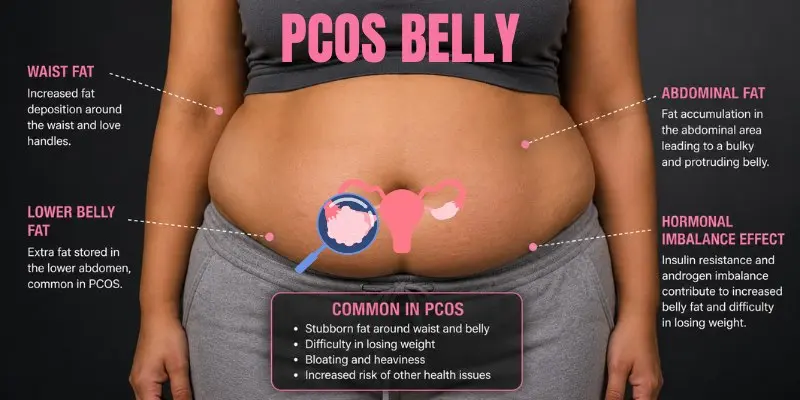
The appearance of a PCOS belly is often linked to visceral fat, which accumulates around internal organs within the abdominal cavity. This type of fat differs from fat stored beneath the skin and is more closely associated with metabolic health risks.
Women experiencing abdominal weight gain may also notice changes in energy levels, appetite regulation, and blood sugar control. These metabolic changes can create a cycle where weight gain contributes to insulin resistance, while insulin resistance further promotes fat accumulation.
Although every woman’s body is different, addressing underlying metabolic health can help improve both symptoms and long-term health outcomes.
Best Strategies for Managing PCOS Weight Naturally
Successful weight management with PCOS usually focuses on long-term lifestyle improvements rather than short-term dieting approaches.
A balanced diet rich in whole foods, lean proteins, healthy fats, vegetables, and fiber can help support blood sugar stability and hormone regulation. Regular physical activity also plays an important role by improving insulin sensitivity and increasing energy expenditure.
Stress management, quality sleep, and consistent healthy habits are equally important because hormonal health is closely connected to overall lifestyle patterns. Even modest weight loss may lead to noticeable improvements in menstrual health, metabolic function, and symptom control.
PCOS Hair Loss and Excess Hair Growth
Hair-related symptoms are among the most emotionally challenging effects of PCOS. Many women experience two seemingly opposite problems at the same time: thinning hair on the scalp and increased hair growth on the face or body. These changes are largely driven by hormonal imbalances that affect hair follicles in different ways.
Why PCOS Causes Hair Loss
Hair loss associated with PCOS typically occurs gradually and may become noticeable around the top of the scalp or along the hair part. Sudden hair shedding and thinning usually develops over time.
Hormonal disruptions can shorten the natural growth phase of hair follicles, leading to reduced hair density and slower regrowth. As the condition progresses, some women notice that their hair becomes finer and less voluminous than before.
Facial Hair Growth and Hormonal Imbalance
While scalp hair may become thinner, other areas of the body can experience increased hair growth. Women with PCOS frequently report unwanted hair on the upper lip, chin, jawline, chest, abdomen, or back.
This occurs because certain hormones can stimulate hair follicles in areas typically associated with male-pattern hair growth. The severity varies from person to person and may depend on both hormone levels and genetic factors.
Hair Thinning, Scalp Changes, and Androgen Levels
Androgens are hormones that exist naturally in women but may become elevated in some cases of PCOS. Increased androgen activity can affect hair follicle behavior throughout the body.
On the scalp, these hormonal changes may gradually shrink hair follicles, producing thinner and weaker strands. At the same time, hair growth may become more active in other areas. This imbalance explains why many women experience both hair thinning and unwanted hair growth simultaneously.
Treatment Options for PCOS Hair Problems
Managing hair-related symptoms often requires addressing the underlying hormonal imbalance rather than focusing on cosmetic treatments.
Lifestyle modifications, weight management, hormonal therapies, and medical treatments prescribed by healthcare professionals may help improve symptoms over time. Some women also benefit from specialized hair care treatments, laser hair reduction procedures, or dermatological therapies depending on their specific concerns.
Because hair growth cycles are slow, visible improvements often take several months of consistent treatment and hormonal management.
PCOS Diagnosis and Medical Testing
Diagnosing PCOS can sometimes be challenging because symptoms vary widely between individuals. There is no single test that confirms the condition. Instead, healthcare providers evaluate multiple factors to determine whether a patient meets the diagnostic criteria.
A comprehensive assessment usually includes symptom review, physical examination, laboratory testing, and imaging studies.
Medical History and Symptom Evaluation
The diagnostic process often begins with a discussion about menstrual patterns, reproductive health, weight changes, and other symptoms associated with hormonal imbalance.
Doctors may ask about irregular periods, fertility concerns, acne, hair growth patterns, family history, and previous medical conditions. This information helps identify patterns that may indicate PCOS and guides further testing.
Hormonal Blood Tests and PCOS Lab Tests
Blood tests are commonly used to evaluate hormone levels and rule out other conditions that can cause similar symptoms.
Healthcare providers may assess reproductive hormones, blood sugar levels, insulin function, thyroid activity, and other markers related to metabolic health. These laboratory tests provide valuable information about hormonal balance and help support an accurate diagnosis.
Ultrasound Imaging and Ovarian Analysis
Ultrasound imaging is one of the most widely used diagnostic tools for evaluating ovarian health. The scan allows healthcare professionals to examine the size, structure, and appearance of the ovaries.
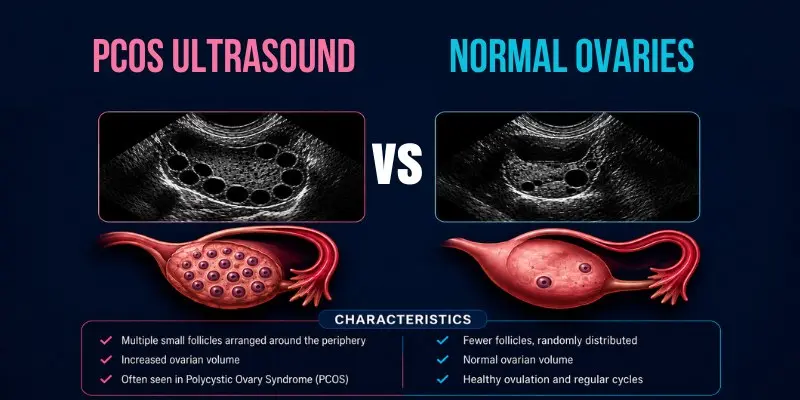
In some women with PCOS, ultrasound images may show multiple small follicles arranged around the outer portion of the ovary. However, not every woman with PCOS has this appearance, that’s why ultrasound findings are considered alongside other clinical factors.
PCOS Ultrasound vs Normal Ovaries
Normal ovaries typically show healthy follicle development and regular ovulation patterns. In contrast, ovaries affected by PCOS may contain a larger number of immature follicles that have not progressed through normal ovulation.
These imaging differences can help healthcare professionals identify ovarian dysfunction and support the overall diagnostic process when combined with symptoms and laboratory results.
Importance of Early Diagnosis in Women’s Health
Early diagnosis allows women to begin treatment before complications become more difficult to manage. Identifying PCOS at an early stage can improve symptom control, support fertility planning, and reduce the risk of long-term metabolic disorders.
Timely intervention also provides an opportunity to develop healthy lifestyle habits that may improve hormonal balance and overall well-being.
AI in PCOS Detection and Smart Women’s Healthcare
Advances in artificial intelligence are creating new opportunities for improving the diagnosis and management of women’s health conditions. In PCOS care, AI technologies are being explored to support imaging analysis, healthcare data interpretation, and early risk assessment.
These systems are designed to assist healthcare professionals rather than replace them, helping improve efficiency and decision-making during the diagnostic process.
AI-Based Ultrasound and Ovarian Imaging Analysis
Artificial intelligence can analyze ultrasound images by identifying patterns and structural characteristics associated with PCOS. Advanced image-processing systems are capable of evaluating ovarian follicles and other anatomical features that may be difficult to assess manually.
By supporting image interpretation, AI tools may help improve consistency and reduce variability in diagnostic evaluations.
Machine Learning for Hormonal Data Analysis
Machine learning algorithms can process large amounts of healthcare information, including hormone levels, metabolic markers, menstrual patterns, and clinical history.
These systems are trained to recognize relationships within complex datasets and may help identify patterns that suggest PCOS. Such insights can support healthcare professionals during the evaluation process.
AI-Assisted Early PCOS Detection Systems
Researchers are developing AI-assisted diagnostic models designed to identify potential cases of PCOS earlier than traditional methods alone. These systems combine multiple health indicators to generate predictive assessments that may help guide further testing and clinical evaluation.
Earlier detection may allow women to begin treatment sooner and reduce the risk of future complications.
Smart Healthcare Monitoring and Digital Health Tracking
Digital health applications are becoming increasingly popular for tracking menstrual cycles, symptoms, physical activity, nutrition, and reproductive health indicators.
When combined with artificial intelligence, these tools can provide personalized insights and help users monitor changes over time. Continuous health tracking may improve awareness and encourage proactive healthcare management.
Future of AI in Reproductive and Hormonal Healthcare
The future of AI in women’s healthcare extends beyond diagnosis. Researchers are exploring how artificial intelligence can support personalized treatment planning, fertility monitoring, risk prediction, and long-term health management.
As healthcare technology continues to evolve, AI-powered systems may play an increasingly important role in improving access to reproductive healthcare, enhancing diagnostic accuracy, and supporting better outcomes for women living with PCOS.
PCOS Diet Plan and Healthy Eating for Hormonal Balance
Diet plays a major role in managing PCOS because food choices directly influence hormone regulation, blood sugar levels, insulin sensitivity, and body weight. While there is no single diet that works for everyone, a balanced eating pattern can help reduce symptoms and support long-term reproductive and metabolic health.
The goal of a PCOS diet plan is not simply weight loss. It focuses on improving hormonal balance, maintaining steady energy levels, and reducing the risk of complications associated with insulin resistance and metabolic disorders.
Best Foods for Women With PCOS
Women with PCOS often benefit from foods that provide steady energy and support healthy blood sugar control. Whole foods rich in fiber, protein, vitamins, and healthy fats can help improve overall health while supporting hormonal function.
Some beneficial food choices include:
- Leafy green vegetables and colorful vegetables
- Whole grains such as oats, quinoa, and brown rice
- Lean protein sources including fish, chicken, eggs, and legumes
- Healthy fats from nuts, seeds, olive oil, and avocados
- Fresh fruits with a low glycemic impact
- Greek yogurt and other protein-rich dairy options
- Beans, lentils, and chickpeas
These foods may help improve satiety, support insulin sensitivity, and provide essential nutrients needed for hormonal health.
PCOS Foods to Avoid
Certain foods may contribute to blood sugar fluctuations, inflammation, and weight gain when consumed excessively. Limiting these items can support better symptom management.
Foods commonly recommended in moderation include:
- Sugary drinks and sweetened beverages
- Refined carbohydrates such as white bread and pastries
- Highly processed snack foods
- Fast food and deep-fried items
- Excessive amounts of added sugars
- Processed meats and heavily packaged foods
Reducing these foods may help stabilize energy levels and support healthier metabolic function.
PCOS Healthy Diet for Weight Management
Weight management is often easier when meals focus on nutrient-dense foods rather than calorie restriction alone. A healthy PCOS diet emphasizes balanced portions of protein, fiber, and healthy fats to promote fullness and reduce cravings.
Eating regular meals throughout the day can help prevent large fluctuations in blood sugar levels. Consistency is often more effective than extreme dieting approaches that are difficult to maintain long term.
Sustainable dietary habits generally provide better results than quick-fix weight loss programs and can support both hormonal balance and overall wellness.
PCOS Breakfast Ideas and Meal Planning
A nutritious breakfast can help establish healthy eating patterns for the rest of the day. Combining protein, fiber, and healthy fats may help improve satiety and reduce mid-morning hunger.
Examples of PCOS breakfast ideas include:
- Oatmeal topped with nuts and berries
- Greek yogurt with seeds and fresh fruit
- Vegetable omelet with whole-grain toast
- Smoothies made with protein-rich ingredients
- Whole-grain avocado toast with eggs
Planning meals in advance can also reduce reliance on processed convenience foods and support healthier daily choices.
PCOS Lunch Ideas and Grocery Planning
A balanced lunch should provide sustained energy while supporting blood sugar control and appetite regulation.
Examples include:
- Grilled chicken salad with mixed vegetables
- Quinoa and roasted vegetable bowls
- Lentil soup with whole-grain bread
- Salmon with leafy greens
- Chickpea and vegetable wraps
Creating a grocery list focused on whole foods, fresh produce, lean proteins, and healthy snacks can make meal preparation easier and help maintain healthy eating habits throughout the week.
PCOS Diet Chart for Hormonal Health
Rather than following a strict diet chart, many healthcare professionals recommend building meals around a simple balanced approach:
- Half of the plate filled with vegetables
- One-quarter dedicated to lean protein
- One-quarter consisting of complex carbohydrates
- Healthy fats included in moderate amounts
This flexible approach supports nutritional balance while allowing individuals to adapt meals according to their preferences, lifestyle, and health goals.
Best Exercise and Weight Loss Tips for PCOS
Regular physical activity is one of the most effective lifestyle strategies for managing PCOS. Exercise can help improve insulin sensitivity, support healthy weight management, regulate energy levels, and contribute to overall hormonal balance.
The best results typically come from consistency rather than intensity. Developing a sustainable exercise routine is more beneficial than short periods of excessive training.
PCOS Exercise for Hormonal Balance
Physical activity influences several hormones involved in metabolism and reproductive health. Regular movement can help improve the body’s response to insulin and support more stable hormone regulation.
Activities such as brisk walking, cycling, swimming, and strength training can contribute to improved cardiovascular health while supporting long-term symptom management.
Even moderate levels of exercise performed consistently may produce noticeable benefits over time.
Best Workouts for PCOS Weight Loss
A combination of cardiovascular exercise and resistance training is often recommended for women with PCOS.
Effective workout options include:
- Walking and jogging
- Cycling
- Swimming
- Strength training with weights
- Bodyweight exercises
- Interval training programs
Strength training is particularly valuable because it helps build muscle mass, which can improve metabolic function and increase calorie expenditure throughout the day.
PCOS Exercise at Home and Daily Activity Tips
Many women successfully manage PCOS symptoms without access to a gym. Home-based exercise routines can provide health benefits when performed regularly.
Simple options include:
- Bodyweight squats
- Lunges
- Push-ups
- Resistance band exercises
- Stair climbing
- Home workout videos
Daily activity also matters. Increasing movement through walking, household activities, and reducing sedentary time can contribute to overall health improvements.
Yoga and Stretching Exercises for PCOS
Yoga is a popular option for women seeking a low-impact exercise routine. In addition to improving flexibility and mobility, yoga may help reduce stress levels, which can influence hormonal health.
Stretching exercises support joint mobility and muscle recovery while promoting relaxation. Many women include yoga as part of a broader exercise program that also incorporates strength and cardiovascular training.
How Exercise Improves Insulin Resistance Naturally
One of the most important benefits of exercise for women with PCOS is its ability to improve insulin sensitivity. During physical activity, muscles use glucose for energy, helping reduce the body’s reliance on high insulin production.
Over time, regular exercise can improve blood sugar regulation, support weight management, and reduce some of the metabolic challenges commonly associated with PCOS.
Combined with healthy eating habits and appropriate medical guidance, physical activity remains one of the most effective natural tools for managing PCOS symptoms and improving long-term health outcomes.
Treatment Options for PCOS
PCOS does not have a permanent cure, but its symptoms can be effectively managed through a combination of lifestyle improvements, medical treatment, and ongoing health monitoring. The most appropriate treatment plan depends on factors such as age, symptoms, fertility goals, metabolic health, and the severity of hormonal imbalance.
Successful PCOS management focuses on controlling symptoms, reducing long-term health risks, improving quality of life, and supporting reproductive health when needed.
Lifestyle Changes and Natural PCOS Management
- Lifestyle modification is often considered the foundation of PCOS treatment.
- For many women, healthy daily habits can significantly improve hormone regulation, menstrual health, insulin sensitivity, and overall well-being.
- Maintaining a balanced diet, engaging in regular physical activity, getting sufficient sleep, and managing stress can help reduce symptom severity.
- Even a modest reduction in body weight may improve ovulation, regulate menstrual cycles, and support metabolic health.
- Natural management strategies may also help lower the risk of developing complications such as type 2 diabetes and cardiovascular disease.
- Consistency is usually more important than extreme dietary restrictions or intensive exercise programs.
Hormonal Medicines and Birth Control Treatment
- Hormonal medications are commonly prescribed to help regulate menstrual cycles and manage symptoms related to hormone imbalance.
- Birth control pills are among the most frequently used treatment options for women who are not currently trying to conceive.
- These medications can help regulate periods, reduce acne, and control excessive hair growth by balancing hormone levels.
- In some cases, doctors may recommend additional medications depending on the individual’s symptoms and treatment goals.
Treatment decisions should always be guided by a qualified healthcare professional who can evaluate the patient’s medical history and overall health status.
Insulin Resistance Treatment and Metabolic Support
Because insulin resistance is closely linked to PCOS, improving the body’s response to insulin is often an important treatment objective.
Healthcare providers may recommend dietary modifications, increased physical activity, and weight management strategies to improve metabolic function. In some cases, medications that help regulate blood sugar levels may also be prescribed.
Addressing insulin resistance can contribute to better hormone regulation, support healthy weight management, and reduce the likelihood of future metabolic complications.
Fertility Treatment for Women With PCOS
Many women with PCOS successfully become pregnant, although some may require additional fertility support due to irregular ovulation.
Treatment options vary depending on individual circumstances and may include ovulation-inducing medications, fertility monitoring, and specialized reproductive healthcare services. Early evaluation can help identify potential fertility challenges and improve treatment outcomes.
Women planning pregnancy are often encouraged to focus on healthy lifestyle habits before conception, as overall health can influence fertility and pregnancy outcomes.
AI-Assisted Personalized Treatment and Health Monitoring
Advances in digital healthcare are creating new opportunities for personalized PCOS management. Artificial intelligence is increasingly being integrated into health monitoring platforms that analyze symptoms, menstrual patterns, lifestyle habits, and other health indicators.
These systems can help identify trends, provide personalized health insights, and support ongoing symptom tracking. AI-powered healthcare tools may also assist healthcare professionals in developing more individualized treatment strategies based on a patient’s unique health profile.
While artificial intelligence can enhance monitoring and decision support, medical diagnosis and treatment decisions should always remain under the guidance of qualified healthcare professionals.
Can Women With PCOS Get Pregnant?
One of the most common concerns among women diagnosed with PCOS is whether they will be able to conceive. While PCOS can affect fertility, it does not mean pregnancy is impossible. Many women with the condition successfully become pregnant naturally or with appropriate medical support.
The key challenge often lies in irregular ovulation rather than infertility itself. With early diagnosis, proper treatment, and healthy lifestyle habits, many women improve their reproductive health and increase their chances of having a successful pregnancy.
How PCOS Affects Fertility and Ovulation
Ovulation is the process by which an ovary releases a mature egg for fertilization. In women with PCOS, hormonal imbalances can disrupt this process, causing ovulation to occur irregularly or not at all.
Without regular ovulation, predicting fertile days becomes more difficult, which can reduce the chances of conception. Some women may experience long gaps between menstrual cycles, while others may have cycles without releasing an egg.
The severity of ovulation problems varies from person to person. Some women may have occasional ovulation, while others require medical intervention to restore normal reproductive function.
Pregnancy Challenges Linked to PCOS
PCOS may increase certain pregnancy-related complications, particularly when the condition is not well managed before conception.
Women with PCOS may have a higher risk of:
- Gestational diabetes
- High blood pressure during pregnancy
- Pregnancy loss
- Premature delivery
- Excessive weight gain during pregnancy
These risks do not affect every woman with PCOS, but they highlight the importance of proper prenatal care and health monitoring throughout pregnancy.
Fertility Treatment and Ovulation Support
When pregnancy does not occur naturally, several treatment options may help improve fertility outcomes.
Healthcare providers may recommend medications that stimulate ovulation and increase the egg release during the menstrual cycle. Fertility specialists may also use ultrasound monitoring and hormone assessments to track ovulation and optimize conception timing.
For women facing more complex fertility challenges, assisted reproductive technologies may be considered. The choice of treatment depends on individual health factors, age, and reproductive goals.
Healthy Pregnancy Management With PCOS
Preparing for pregnancy begins long before conception. Women with PCOS are often encouraged to focus on improving overall health through balanced nutrition, regular exercise, healthy weight management, and blood sugar control.
Regular prenatal checkups, hormone monitoring, and medical guidance can help reduce risks and support a healthier pregnancy journey. Maintaining good metabolic health before and during pregnancy may also improve outcomes for both mother and baby.
With proper care and early intervention, many women with PCOS experience healthy pregnancies and successful deliveries.
Long-Term Risks and Complications of PCOS
PCOS is more than a reproductive disorder. It can influence several aspects of long-term health, particularly when symptoms remain unmanaged for many years. Understanding these risks allows women to take preventive measures and maintain better overall health throughout their lives.
Diabetes and Insulin Resistance Complications
Many women with PCOS experience insulin resistance, which can increase the risk of developing prediabetes and type 2 diabetes over time.
When blood sugar levels remain elevated for prolonged periods, additional health complications may arise, including nerve damage, kidney disease, and cardiovascular problems. Regular health screenings and healthy lifestyle habits play an important role in reducing these risks.
Monitoring blood sugar levels and maintaining a balanced diet are often key components of long-term PCOS management.
Obesity and Cardiovascular Health Risks
Weight gain and abdominal fat accumulation can contribute to a higher risk of cardiovascular disease in women with PCOS.
Metabolic changes associated with the condition may affect cholesterol levels, blood pressure, and overall heart health. These factors can increase the likelihood of future cardiovascular complications if not addressed through lifestyle modifications and medical care.
Regular exercise, healthy eating habits, and maintaining a healthy body weight can support both hormonal and cardiovascular health.
Mental Health and Emotional Challenges
Living with PCOS can affect emotional well-being as much as physical health. Symptoms such as weight gain, acne, hair loss, fertility concerns, and hormonal fluctuations may impact self-esteem and confidence.
Some women experience anxiety, depression, stress, or mood disturbances while managing the condition. These emotional challenges are often overlooked but deserve equal attention as part of comprehensive healthcare.
Seeking support from healthcare professionals, counselors, or support groups can help improve mental and emotional well-being.
Fertility and Pregnancy Complications
Long-term reproductive challenges may develop when ovulation remains irregular for extended periods. Delayed conception, fertility difficulties, and pregnancy-related complications are among the concerns associated with unmanaged PCOS.
Early diagnosis and appropriate treatment can help improve reproductive outcomes and reduce the likelihood of complications during future pregnancies.
Women planning to start a family may benefit from discussing fertility goals with their healthcare provider as part of their long-term care plan.
Importance of Long-Term Hormonal Health Management
PCOS requires ongoing attention because its effects can extend beyond reproductive years. Managing hormonal balance, metabolic health, and lifestyle habits can help reduce future health risks and improve overall quality of life.
Regular medical checkups, healthy eating patterns, physical activity, and symptom monitoring allow women to stay proactive about their health. Long-term management is not only about controlling symptoms today but also about protecting future health and well-being.
With proper care, education, and support, women with PCOS can successfully manage the condition and lead healthy, active lives.
AI vs Traditional PCOS Diagnosis
Advances in artificial intelligence are transforming many areas of healthcare, including the diagnosis of hormonal disorders such as PCOS. While traditional diagnostic methods remain the clinical standard, AI-powered technologies are being developed to assist healthcare professionals by improving data analysis, ultrasound interpretation, and early risk identification.
Rather than replacing doctors, AI serves as a supportive tool that can help process complex medical information more efficiently and provide additional insights during the diagnostic process.
| Factor | AI-Based PCOS Detection | Traditional PCOS Diagnosis |
| Diagnosis Speed | Faster analysis of healthcare data | Longer evaluation process |
| Imaging Support | AI-assisted ultrasound analysis | Manual imaging review |
| Monitoring | Continuous digital tracking and symptom analysis | Periodic clinical visits |
| Personalization | Data-driven healthcare insights | General treatment approach |
| Data Processing | Large-scale health data analysis | Manual assessment methods |
Benefits of AI in Early PCOS Detection
One of the greatest advantages of AI in PCOS detection is its ability to analyze large amounts of healthcare information within a short period. Advanced algorithms can evaluate ultrasound images, hormonal profiles, menstrual cycle patterns, and metabolic indicators simultaneously.
AI systems may help identify subtle patterns that could be overlooked during routine assessments, supporting earlier recognition of potential PCOS cases. Faster analysis can also assist healthcare providers in making more informed clinical decisions and developing personalized management plans.
In addition, AI-powered health applications can track symptoms over time, helping women monitor menstrual cycles, weight changes, fertility indicators, and overall hormonal health more effectively.
Limitations of Traditional Diagnostic Methods
Traditional PCOS diagnosis relies on medical history, physical examination, laboratory testing, and ultrasound evaluation. While these methods remain highly effective, the process can sometimes be time-consuming and dependent on multiple clinical assessments.
Symptom variations among patients may also make diagnosis more challenging. Some women exhibit clear signs of PCOS, while others experience only mild symptoms that require additional investigation.
Furthermore, manual interpretation of imaging studies and health records may lead to variations in diagnostic evaluation between healthcare providers. This is one area where AI-assisted technologies may provide additional support by improving consistency and data analysis.
Importance of Personalized Women’s Healthcare
Every woman experiences PCOS differently. Symptoms, hormonal profiles, fertility concerns, metabolic health, and treatment responses can vary significantly from one individual to another.
Personalized healthcare focuses on understanding these unique differences and creating treatment plans tailored to each patient’s needs. This approach may include lifestyle recommendations, nutritional guidance, exercise programs, fertility support, medication management, and ongoing health monitoring.
As AI technologies continue to develop, they may help healthcare professionals deliver more individualized care by analyzing patient-specific information and identifying patterns that support targeted treatment strategies.
Conclusion
Polycystic Ovary Syndrome is a complex condition that affects hormonal balance, reproductive health, metabolism, and overall well-being. Throughout this article, we explored the most common PCOS symptoms, underlying causes, risk factors, diagnostic methods, treatment options, fertility considerations, and lifestyle strategies that can help women manage the condition effectively.
Early diagnosis plays a crucial role in preventing complications and improving long-term health outcomes. Recognizing warning signs such as irregular periods, weight gain, insulin resistance, hair changes, and fertility challenges allows women to seek medical guidance before symptoms become more difficult to manage.
A healthy diet, regular exercise, weight management, and appropriate medical care remain the foundation of successful PCOS treatment. These strategies can improve hormone regulation, support metabolic health, and enhance quality of life for many women living with the condition.
At the same time, advancements in artificial intelligence are opening new possibilities in women’s healthcare. AI-powered tools have the potential to improve diagnostic accuracy, assist with ultrasound analysis, support health monitoring, and contribute to more personalized treatment planning in the future.
With greater awareness, early intervention, and ongoing healthcare support, women with PCOS can successfully manage symptoms, protect their long-term health, and achieve their personal reproductive and wellness goals.
FAQs About PCOS, Weight Loss, Fertility, and AI Detection
What is PCOS and what causes it?
PCOS, or Polycystic Ovary Syndrome, is a hormonal and metabolic condition that affects ovarian function and reproductive health. The exact cause is not fully understood, but hormonal imbalance, insulin resistance, genetics, and lifestyle factors are believed to contribute to its development.
What does a PCOS belly look like?
A PCOS belly typically refers to excess fat accumulation around the abdomen and waist area. This pattern is often associated with insulin resistance and metabolic changes that commonly occur in women with PCOS.
Can PCOS cause hair loss and facial hair growth?
Yes. Hormonal imbalances linked to PCOS can contribute to thinning hair on the scalp while also increasing hair growth on the face, chin, chest, or other parts of the body. These symptoms are often related to elevated androgen activity.
What is the best diet plan for PCOS?
The best PCOS diet focuses on whole foods, lean proteins, healthy fats, fiber-rich vegetables, fruits, and complex carbohydrates. Limiting highly processed foods, added sugars, and refined carbohydrates may help improve hormonal balance and support weight management.
Can women with PCOS get pregnant naturally?
Yes. Many women with PCOS conceive naturally, although irregular ovulation can make pregnancy more challenging. Lifestyle improvements, medical treatment, and fertility support can significantly improve the chances of conception.
How does AI help detect PCOS?
AI helps detect PCOS by analyzing ultrasound images, hormonal data, symptom patterns, and healthcare records. These technologies can assist healthcare professionals in identifying potential signs of PCOS and supporting earlier diagnosis.
What exercises are best for PCOS weight loss?
A combination of cardiovascular exercise, strength training, walking, cycling, swimming, and yoga is often recommended. Regular physical activity helps improve insulin sensitivity, support weight management, and promote overall hormonal health.
How is PCOS diagnosed through ultrasound and lab tests?
Doctors typically diagnose PCOS using a combination of medical history, symptom evaluation, blood tests, and ultrasound imaging. Hormonal blood tests help assess hormone levels, while ultrasound scans evaluate ovarian structure and follicle development.






- Be Respectful
- Stay Relevant
- Stay Positive
- True Feedback
- Encourage Discussion
- Avoid Spamming
- No Fake News
- Don't Copy-Paste
- No Personal Attacks
- Be Respectful
- Stay Relevant
- Stay Positive
- True Feedback
- Encourage Discussion
- Avoid Spamming
- No Fake News
- Don't Copy-Paste
- No Personal Attacks
