AI Personalization in Learning: How Technology Is Transforming Education
Published: 2 Jun 2026
Education has followed the same classroom structure for many years, yet many students still struggle to keep up or stay engaged. Some learners move faster, others need more time, and the traditional one-size-fits-all model often fails to support these differences. This gap has created confusion for educators and students who want a more effective way to learn. As technology becomes more common in schools, many people are asking whether it can truly improve the learning experience.
This guide explores how AI in education is helping shift classrooms toward personalized learning. We will look at how modern systems support different learning speeds, how teachers use technology to guide students more effectively, and why schools are moving toward adaptive education models. By the end, you will understand how personalized learning is changing the way students study and how AI in the classroom is helping create more flexible learning environments.
What Is AI Personalization in Learning
Education works best when lessons match the ability and pace of each student. AI personalization in learning focuses on adjusting teaching methods so every learner receives suitable support.
In personalized learning, lessons are designed around individual needs, study speed, and learning preferences. Instead of following the same path, students can move through topics in a way that fits their understanding.
Modern classrooms use adaptive learning methods that monitor how students perform in quizzes and activities. These systems study patterns in performance and identify areas where a learner needs improvement. Many schools now rely on intelligent learning systems that guide students through customized lessons and practice exercises.
Such platforms automatically adjust lesson difficulty and recommend the next topic based on previous results. This approach helps students learn more effectively while giving teachers clearer insight into student progress.
How AI Personalization Works in Modern Education
Modern classrooms depend on structured data and digital tools to improve learning experiences. Schools collect academic information to understand how students study, respond to lessons, and complete assignments.
This process supports AI learning analytics and allows educators to use student data analysis to understand progress more clearly. When schools combine this information with personalized learning systems, they can adjust lessons to match each learner’s needs. As a result, students receive guidance that fits their pace, strengths, and areas that require improvement.
Data-Driven Student Insights
Learning platforms collect academic information through quizzes, assignments, and classroom activities. These insights reveal patterns in student performance and help teachers identify strengths and weaknesses.
Through AI learning analytics, educators can track engagement, progress, and learning behavior more accurately. This data helps teachers provide targeted support while improving the effectiveness of AI personalized learning systems.
Adaptive Content Delivery
Modern learning platforms adjust lesson difficulty according to student progress. When a student understands a topic quickly, the system recommends more advanced material. If the learner struggles with a concept, additional explanations and practice tasks appear.
This approach reflects the use of adaptive learning technology, where AI personalized learning systems modify lessons to support different learning speeds. As a result, students receive content that matches their individual learning path.
Real-Time Feedback and Assessment
Immediate feedback plays an important role in improving learning outcomes. Digital learning platforms review student responses and provide quick suggestions for improvement.
These recommendations guide learners toward the correct concepts and help them avoid repeating mistakes. Through personalized learning systems, students receive timely feedback that strengthens understanding and keeps them motivated throughout their study journey.
Key Benefits of AI Personalization in Learning
Personalized education models are changing how students interact with academic content. Traditional classrooms often follow a fixed pace, which may not suit every learner. With AI personalization in learning, educational systems can adjust lessons, practice tasks, and study materials according to individual needs.
This approach supports stronger AI student engagement, improves focus during lessons, and contributes to improved learning outcomes. When schools adopt adaptive learning technology and personalized learning systems, students receive a more flexible and effective learning experience.
Learning at an Individual Pace
Students learn at different speeds, and personalized education recognizes this difference. With AI personalized learning systems, lessons adjust to match each learner’s progress. Faster learners can move ahead while others receive additional practice and explanations. This flexible structure represents one of the major benefits of personalized learning, as it helps students understand topics without unnecessary pressure.
Increased Student Engagement
When lessons match student ability and interest, learners become more motivated to participate. Interactive activities, personalized quizzes, and targeted content keep students focused during lessons.
These features strengthen AI student engagement and encourage students to take a more active role in their studies. As engagement increases, students develop stronger interest in the subjects they are learning.
Improved Knowledge Retention
Personalized lessons help students understand concepts more clearly because the material matches their learning level. When learners receive the right amount of challenge and support, they remember information more effectively.
Systems supported by adaptive learning technology guide students through topics gradually, reinforcing important concepts. This process contributes to stronger improved learning outcomes and better long term understanding.
Better Academic Performance
Personalized learning environments allow students to focus on areas that require improvement. With support from personalized learning systems, learners receive targeted practice that strengthens weak areas while reinforcing strong subjects.
Over time, this balanced approach leads to better test scores, stronger comprehension, and higher academic confidence. Many educators view this progress as one of the most important advantages of AI personalization in learning.
AI Technologies Enabling Personalized Learning
Modern education uses advanced digital tools to create flexible learning experiences. Schools and universities now rely on AI education technology to deliver lessons that match individual learning styles and progress levels. These systems collect academic insights, track student performance, and guide learners through customized study paths.
As a result, AI learning platforms and other smart education tools help teachers manage classrooms more effectively while supporting personalized education. Many institutions combine these technologies with intelligent tutoring systems and digital learning software to improve student engagement and academic progress.
Intelligent Tutoring Systems
Intelligent tutoring systems provide guided academic support for students who need additional explanation or practice. These systems analyze responses from quizzes and assignments to understand where learners face difficulty.
Based on this information, they recommend exercises, examples, and explanations tailored to each student. Such systems help strengthen understanding while supporting personalized learning technology and improving student confidence.
AI-Driven Learning Platforms
Modern AI learning platforms organize lessons, assessments, and educational resources within a single environment. These platforms track student performance and recommend personalized study paths based on progress.
Teachers can monitor academic development through AI learning analytics and identify areas where learners need support. By combining data insights with adaptive content delivery, these platforms help create structured and efficient learning experiences.
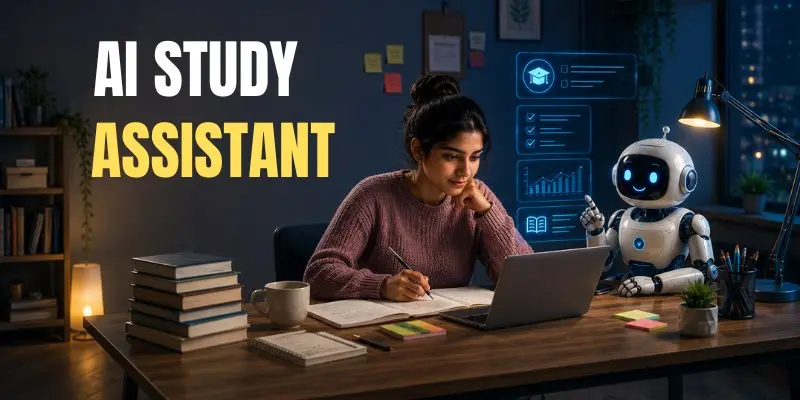
AI Study Assistants
Digital study assistants support students during research, homework, and revision tasks. These tools provide explanations, organize study notes, and suggest additional resources for difficult topics.
Many students rely on these assistants to manage study schedules and track academic progress. When used properly, these tools strengthen AI student learning experience and encourage independent study habits.
Learning Management Systems with AI
Learning management systems supported by modern technology help schools manage courses, assignments, and communication in one platform. These systems organize learning materials, track student participation, and evaluate academic progress.
Many institutions integrate AI learning management systems with personalized learning tools to improve course delivery and student support. This combination allows educators to maintain organized classrooms while guiding students through individualized learning paths.
Real-World Applications of AI Personalized Learning
Personalized education is no longer just a concept discussed in research. Many schools and universities now use modern digital systems to support individualized learning experiences. Through AI classroom applications, educators can adjust lessons, recommend study resources, and monitor academic progress more effectively.
These systems depend on AI learning tools and advanced AI education platforms to deliver flexible learning environments that adapt to each student’s needs. As a result, personalized education is becoming a practical approach used in classrooms across the world.
Personalized Course Recommendations
Educational platforms can recommend courses and study materials that match a student’s academic progress and interests. By analyzing performance in quizzes and assignments, these systems suggest the next subject or lesson that fits the learner’s ability.
Many AI learning platforms now include recommendation features that guide students toward suitable topics and learning resources. This approach helps learners focus on subjects where improvement is needed while continuing to develop their strengths.
AI-Driven Student Support Systems
Modern schools use digital support systems that assist students during their academic journey. These systems answer questions, provide learning resources, and guide students through difficult topics.
Through advanced AI learning analytics, educators can identify students who require additional support and offer targeted assistance. Many institutions integrate these features within AI education platforms to improve student engagement and academic progress.
Customized Learning Paths
Personalized learning systems allow students to follow study paths designed around their abilities and goals. These paths adjust as students complete lessons, assignments, and assessments.
Through adaptive learning technology, educational platforms recommend new topics or additional practice where necessary. This structured guidance helps learners progress steadily while benefiting from AI personalized learning systems that support individual growth.
Challenges of AI Personalization in Education
Personalized learning technologies offer many advantages, but they also introduce important challenges that schools must address carefully. As educational institutions adopt digital systems and AI education platforms, educators must examine issues related to privacy, fairness, and responsible technology use.
Many researchers studying AI challenges in education emphasize that successful implementation requires careful planning and clear policies. Without proper safeguards, the rapid growth of AI education technology may create risks that affect both students and teachers.
Data Privacy and Security Concerns
Personalized learning platforms often collect academic and behavioral data to understand student progress. This information helps teachers evaluate performance and improve learning strategies.
The collection of student information raises concerns about AI data privacy education and how educational institutions store or manage sensitive records. Schools must ensure that student data analysis systems follow strict privacy protections so that personal information remains secure.
Algorithm Bias and Fairness
Another concern involves fairness within digital learning systems. If the data used to design these systems contains bias, it may influence recommendations or evaluations in unintended ways.
Researchers discussing AI bias in learning warn that unfair patterns may affect how students receive academic support or course recommendations. Educational institutions must regularly review AI learning analytics and system design to ensure that personalized learning remains fair and inclusive.
Overdependence on Technology
Excessive reliance on digital learning tools can reduce independent thinking and problem solving skills. When students depend heavily on automated explanations, they may lose opportunities to practice research and critical reasoning.
Educators therefore encourage balanced use of AI learning tools so that technology supports learning rather than replacing effort. Maintaining this balance helps students benefit from personalized learning systems while still developing essential academic skills.
Future Trends in AI Personalized Learning
Education continues to evolve as digital technologies become more advanced and accessible. Many institutions are exploring new ways to improve student learning through data driven insights and flexible study systems.
Experts studying the future of personalized learning believe that technology will play a greater role in guiding academic progress and supporting individual learning goals. These developments are shaping the AI future of education, where modern classrooms combine digital intelligence with strong teaching practices.
As schools adopt new systems and tools, the adaptive learning future will focus on creating learning environments that respond to each student’s needs more effectively.
AI-Powered Learning Analytics
Learning analytics is becoming one of the most valuable tools for understanding student performance. Advanced systems collect academic insights from assignments, quizzes, and classroom participation to track progress over time.
Through AI learning analytics, educators can identify learning gaps and adjust instruction accordingly. These insights help teachers improve personalized learning systems and guide students toward stronger academic outcomes.
AI Career Guidance and Skill Development
Educational institutions are also exploring new ways to connect learning with career preparation. Modern platforms analyze student strengths, interests, and academic performance to recommend suitable skill development paths.
Many AI education platforms now include tools that suggest courses, certifications, and learning resources related to career goals. This approach supports long term development and prepares students for future opportunities in a technology driven world.
Hybrid Human + AI Learning Environments
Future classrooms are likely to combine strong teaching practices with intelligent digital support systems. Teachers will continue to guide discussions, mentor students, and provide personal feedback while technology assists with data insights and content recommendations.
This balanced model allows AI learning platforms to support teachers rather than replace them. As a result, the AI future of education may focus on collaboration between educators and advanced learning systems to create more effective learning experiences.
Conclusion
In this article, we explored how AI personalization in learning is changing modern education. We discussed how personalized learning systems adjust lessons according to student progress, how adaptive platforms help teachers understand student performance, and how intelligent learning tools support more flexible study experiences. These developments show how modern education is moving away from a one-size-fits-all model toward learning that respects individual pace, strengths, and interests.
My recommendation is simple, folks. Schools should use technology as a support system that strengthens teaching rather than replacing the human guidance students truly need. Teachers bring mentorship, motivation, and real understanding to the classroom, while digital tools help organize learning and track progress.
When educators balance these two elements wisely, students gain stronger skills and achieve better learning outcomes.
Education will continue to evolve as new technologies emerge. Staying informed and learning how to use these tools responsibly will help students and teachers benefit the most from modern education systems. Keep learning, stay curious, and stay tuned for more insights on the future of education.
Frequently Asked Questions (FAQs)
What is AI personalization in learning?
AI personalization in learning focuses on adjusting lessons to match the needs of each student. Instead of following the same pace, students receive content based on their progress and understanding.
Learning systems analyze performance and recommend suitable exercises or topics. This approach helps students learn more effectively and stay engaged.
How does AI personalize student learning?
AI personalizes learning by studying how students perform in quizzes, assignments, and classroom activities. The system identifies strengths, weaknesses, and learning patterns.
Based on this information, it adjusts lesson difficulty and suggests additional practice where needed. This helps students improve step by step.
What are examples of AI personalized learning platforms?
Many education platforms now support personalized learning. Examples include platforms like Coursera, Khan Academy, Duolingo, and DreamBox. These systems track student progress and recommend lessons that match individual learning needs. Students can learn at their own pace while receiving guidance.
What are the benefits of personalized learning?
Personalized learning helps students focus on topics that require improvement. It allows learners to move faster through subjects they understand and spend more time on difficult areas.
This approach increases engagement and helps students retain knowledge better. Many schools see improved academic performance through personalized learning systems.
Is AI personalization the future of education?
Many educators believe personalized learning will play an important role in the future of education. Technology can help teachers understand student progress and provide targeted support.
However, human guidance will always remain essential in classrooms. The best results come from combining strong teaching with supportive learning tools.





- Be Respectful
- Stay Relevant
- Stay Positive
- True Feedback
- Encourage Discussion
- Avoid Spamming
- No Fake News
- Don't Copy-Paste
- No Personal Attacks
- Be Respectful
- Stay Relevant
- Stay Positive
- True Feedback
- Encourage Discussion
- Avoid Spamming
- No Fake News
- Don't Copy-Paste
- No Personal Attacks
